Premature Baby Growth
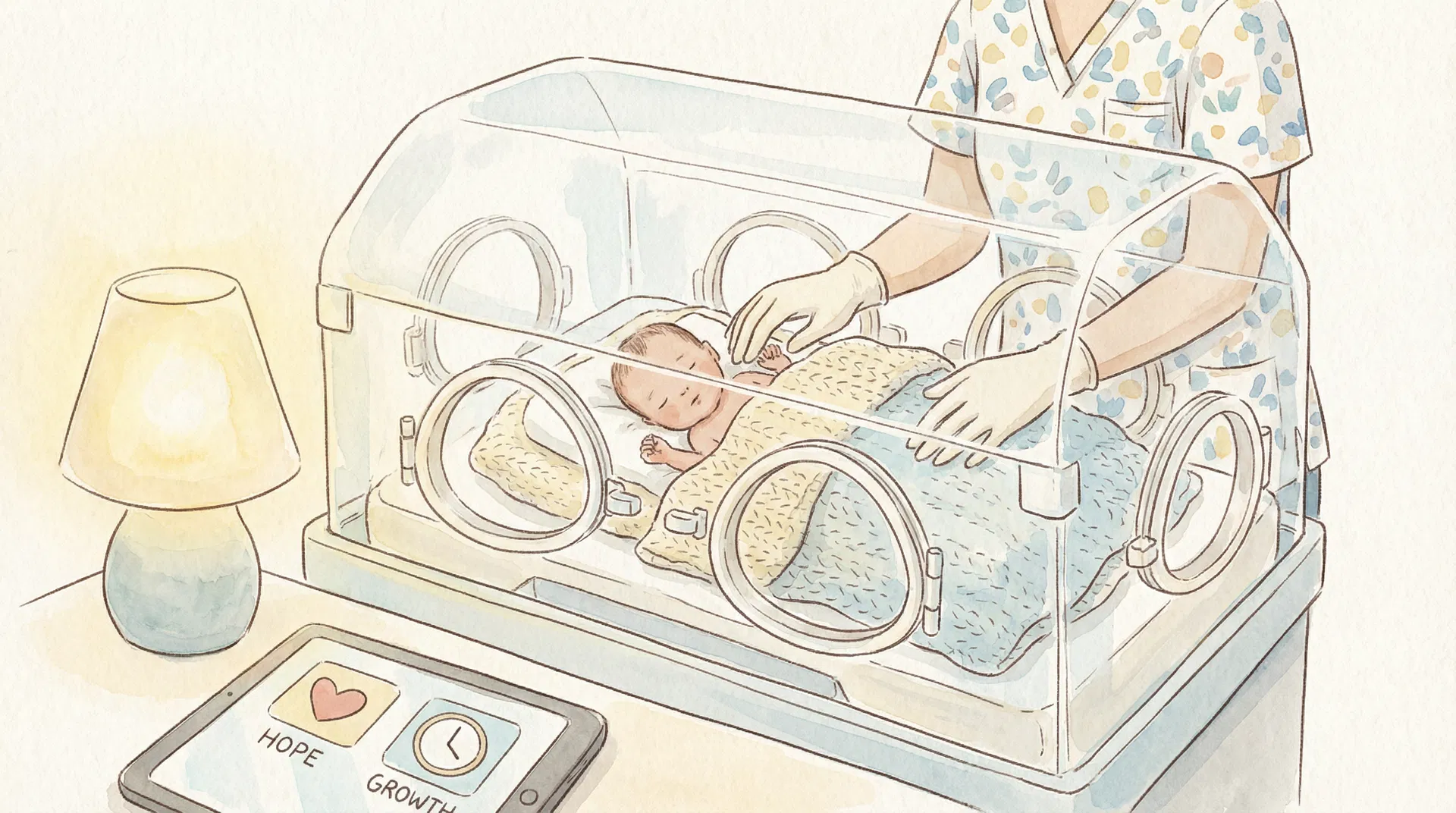
Premature babies (born before 37 weeks of gestation) have different growth needs and patterns than full-term babies. Understanding these differences is fundamental for parents.
What Is Corrected Age?
Corrected (or adjusted) age is the age your baby would be if they had been born on their due date. It's calculated by subtracting the weeks of prematurity from the chronological age.
Example: If your baby was born 8 weeks early and is now 6 months chronological age, their corrected age is 4 months.
Corrected age is used to evaluate growth and development until 2-3 years of age.
Growth Patterns in Preemies
Catch-up growth: Most preemies experience a period of catch-up growth during the first 2-3 years of life. During this period, they grow faster than full-term babies.
Typical catch-up timeline:
- Head circumference: Usually the first to normalize, typically within the first 6-12 months.
- Weight: Usually normalizes between 12 and 24 months.
- Length/Height: May take up to 2-3 years to normalize.
Growth Charts for Preemies
For babies born before 37 weeks, specific growth charts (like Fenton charts) are used until 50 weeks postmenstrual age. After that, transition to WHO charts using corrected age.
Special Nutrition
Preemies have special nutritional needs:
- Higher protein and calorie requirements
- Iron, vitamin D, and sometimes calcium supplementation
- Possible need for breast milk fortifiers
- Solid food introduction based on corrected age and developmental signs
When to Be Concerned
- If there's no catch-up growth after the first few months
- If head circumference doesn't follow an upward curve
- If there are persistent feeding difficulties
- If developmental milestones aren't met (using corrected age)
Monitoring with BabyGrow
When using BabyGrow for a premature baby, remember to enter the corrected age for more accurate percentiles. This will give you a more realistic picture of your baby's growth.