Baby Growth Spurts
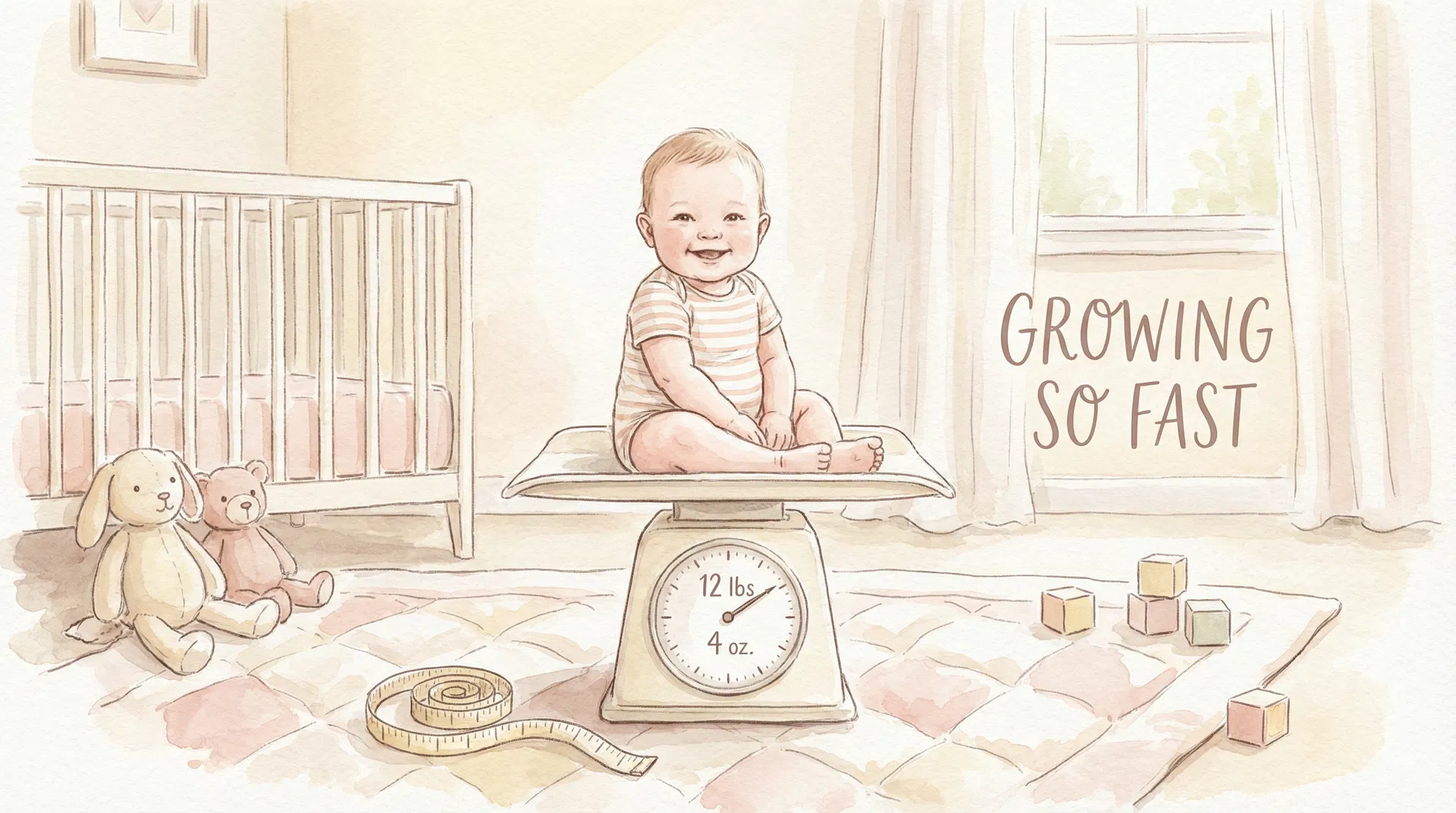
Growth spurts are short but intense periods when your baby grows faster than usual. They're a completely normal part of infant development.
When Do They Happen?
The most common growth spurts occur at approximately:
- 2 weeks of age
- 3 weeks of age
- 6 weeks of age
- 3 months
- 6 months
- 9 months
- 12 months
Each spurt typically lasts between 2 and 7 days, though some may extend up to 2 weeks.
Signs of a Growth Spurt
Increased appetite: Your baby will want to eat more frequently. Breastfed babies may want to nurse every hour or two.
Sleep changes: Some babies sleep more during spurts, while others become more restless at night.
Fussiness: Your baby may be more irritable or fussy than usual.
Increased need for contact: Many babies become more "clingy" during these periods.
How to Support Your Baby
- Feed on demand: If your baby wants to eat more, feed them. Don't restrict feedings.
- Rest when you can: Growth spurts can be exhausting for parents too.
- Offer comfort: More cuddles, skin-to-skin contact, and patience.
- Don't worry: Growth spurts are temporary and a sign of healthy development.
Difference Between a Spurt and a Problem
A growth spurt is temporary (days) and the baby remains healthy and active. If behavior changes persist for more than 2 weeks or the baby seems ill, consult your pediatrician.
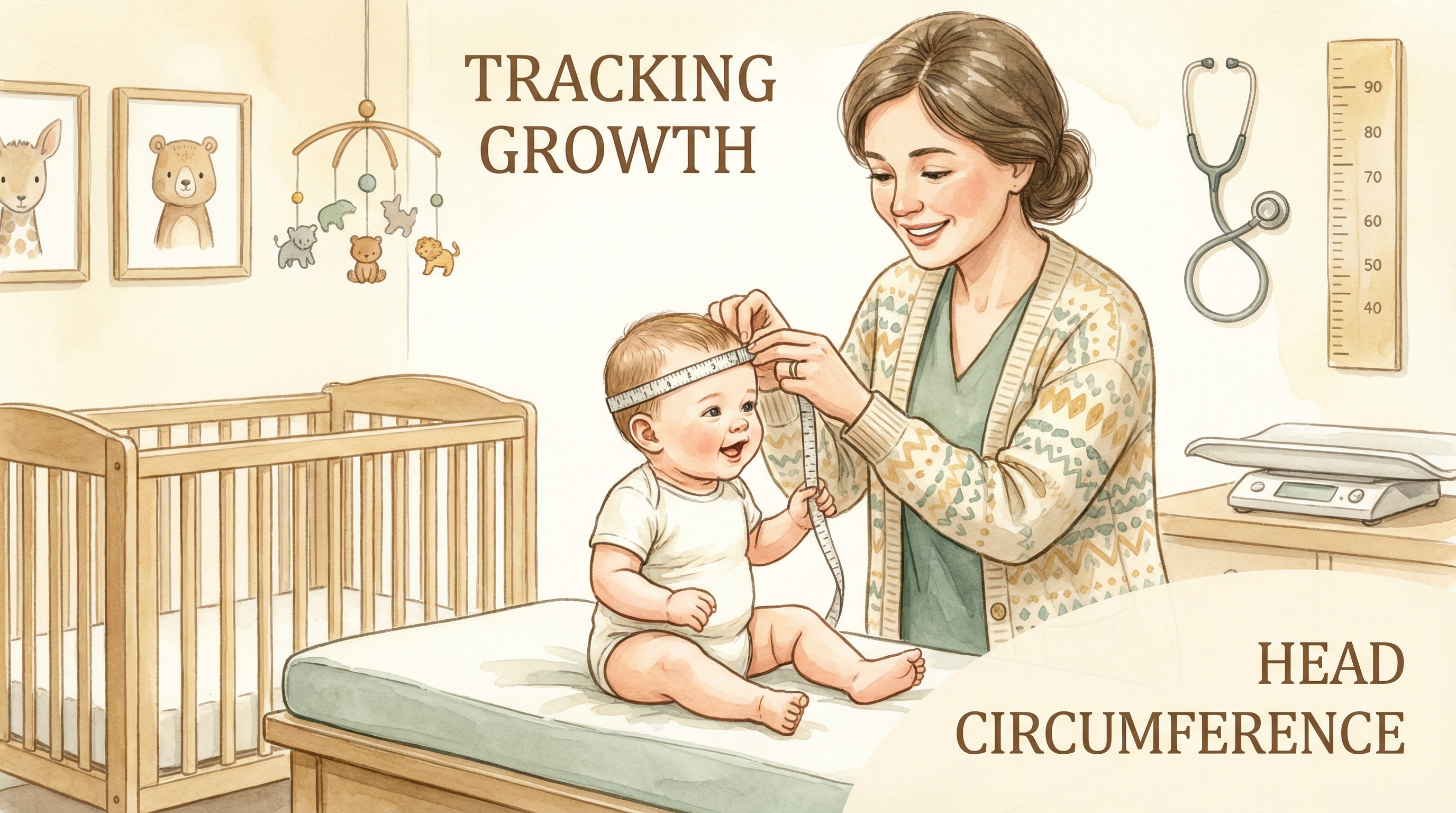
Monitoring During Spurts
Use BabyGrow to record measurements before and after growth spurts. It's fascinating to see how your baby can gain weight or length noticeably in just a few days.